


Digital Assets Are No Longer “Alternative”
Digital assets have moved from the fringes into the core of financial markets. From US spot Bitcoin ETFs to the EU’s MiCA regulation and Asia’s tightening frameworks, the direction is clear regulation is accelerating globally.
But the real shift isn’t just regulation.
It’s conduct risk.
Firms are now being asked:
-
 Who is trading digital assets?
 -
Where are those assets held?
-
What conflicts exist?
-
Can you prove it?
Most firms can’t.
Get the white paper Today

01

Regulation is accelerating
Global frameworks like MiCA and SEC guidance are bringing digital into the regulated core.
02
.svg)
Market adoption is scaling
Institutions, products, and trading enues are expanding faster than controls.
03
.svg)
Conduct risk is rising
Employee activity across wallets, exchanges, and DeFi creates new blind Spots
04
.svg)
Visibility is critical
Firms must adapt now to detect, monitor, and prove control.
Your Compliance Framework Wasn’t Built for Crypto
.svg) Broker accounts
Intermediated markets
Standardized reporting
Broker accounts
Intermediated markets
Standardized reporting
Digital assets break all of these assumptions.
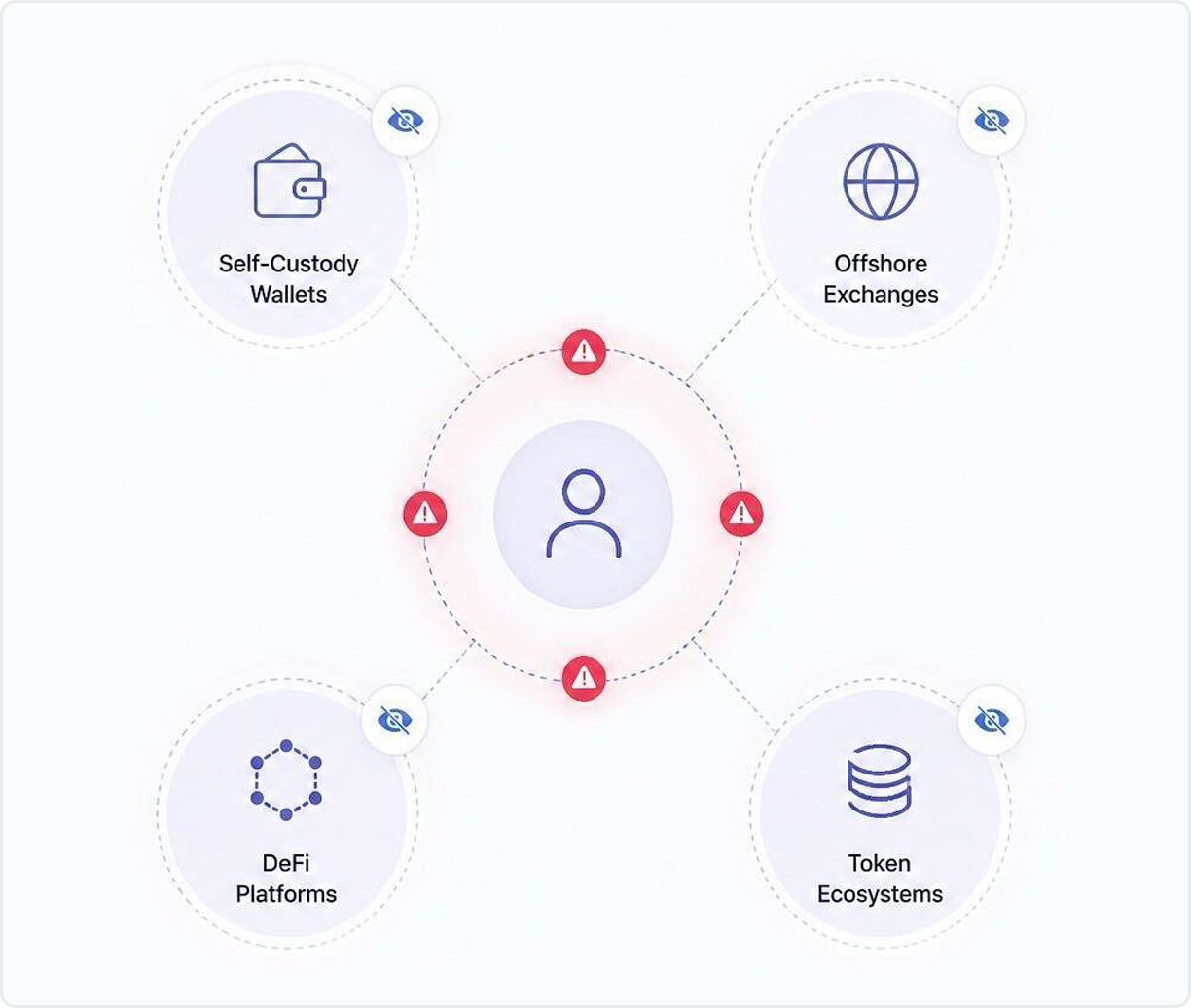
Employees now operate across:
 Selfcustody wallets
Offshore exchanges
DeFi platforms
Token ecosystems
Selfcustody wallets
Offshore exchanges
DeFi platforms
Token ecosystems
This creates a visibility gap that most compliance
teams are not equipped to handle.
teams are not equipped to handle.
The Missing Layer in Digital Asset Compliance
The biggest risk isn’t the asset, it’s the employee activity behind it.
Most firms lack the ability to:
-
Track undisclosed wallets
-
Monitor decentralized activity
-
Identify hidden conflicts
-
Connect activity to individuals
And without that visibility, you can’t prove control
Download the White paper

The Emerging Risk Landscape

Personal Trading Risk
Always on markets, fragmented venues, and incomplete data make monitoring significantly harder.

Insider Information Risk
Information flows through informal channels token launches, communities, governance groups before hitting public markets.
.svg)
Outside Business Activities (OBAs)
Employees advising protocols, validating networks, or promoting tokens often without disclosure.

Beneficial Ownership Risk
Who really controls the wallet, bot, or asset? Traditional account based monitoring no longer works.
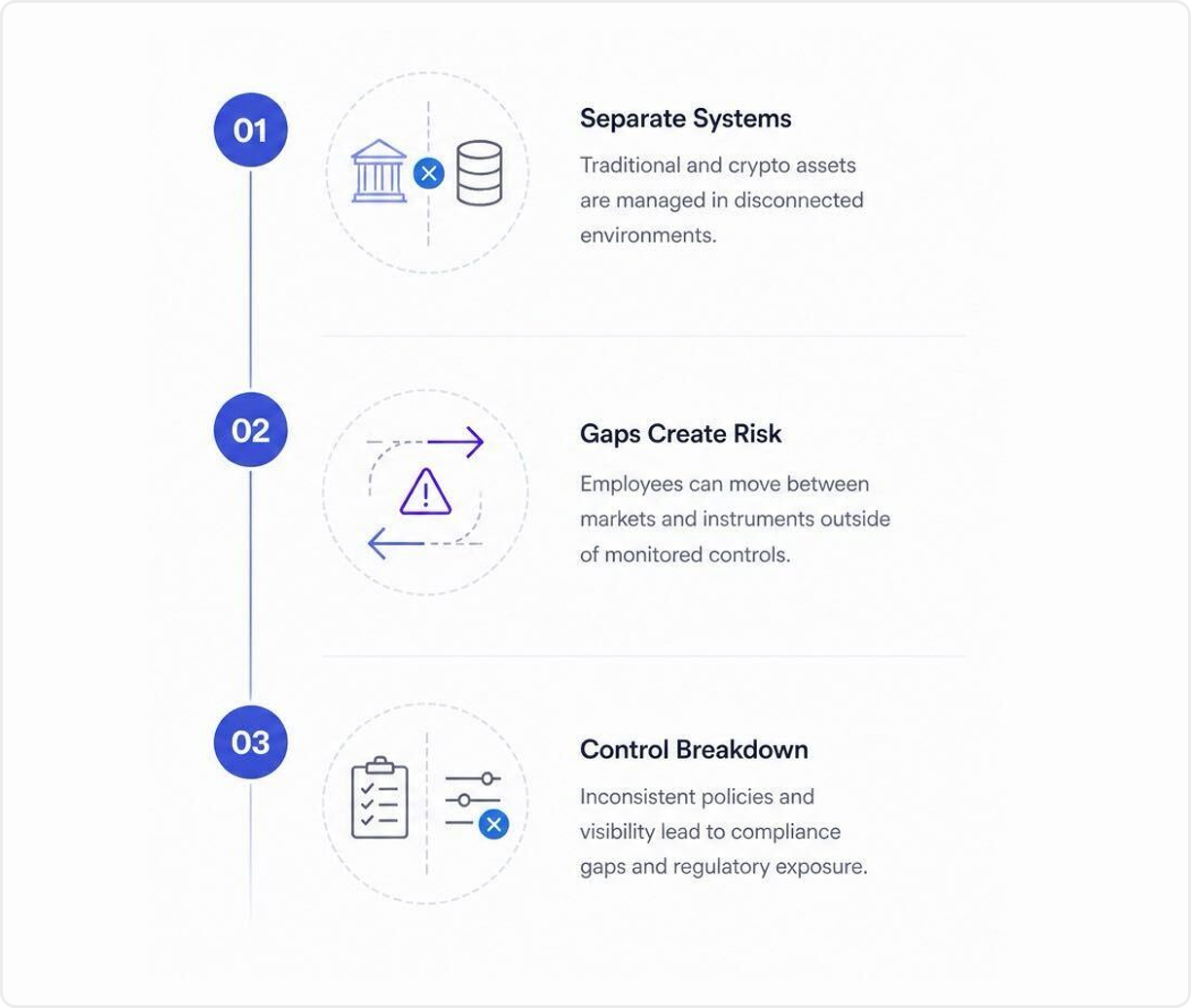
Why Siloed Systems Are Failing
Managing crypto and traditional assets separately creates:
-
Blind spots
-
Arbitrage opportunities
-
Inconsistent controls
And without that visibility, you can’t prove control
Example:
An employee restricted from trading a stock can still gain exposure through a tokenized version completely outside traditional monitoring.
This isn’t hypothetical. It’s already happening.
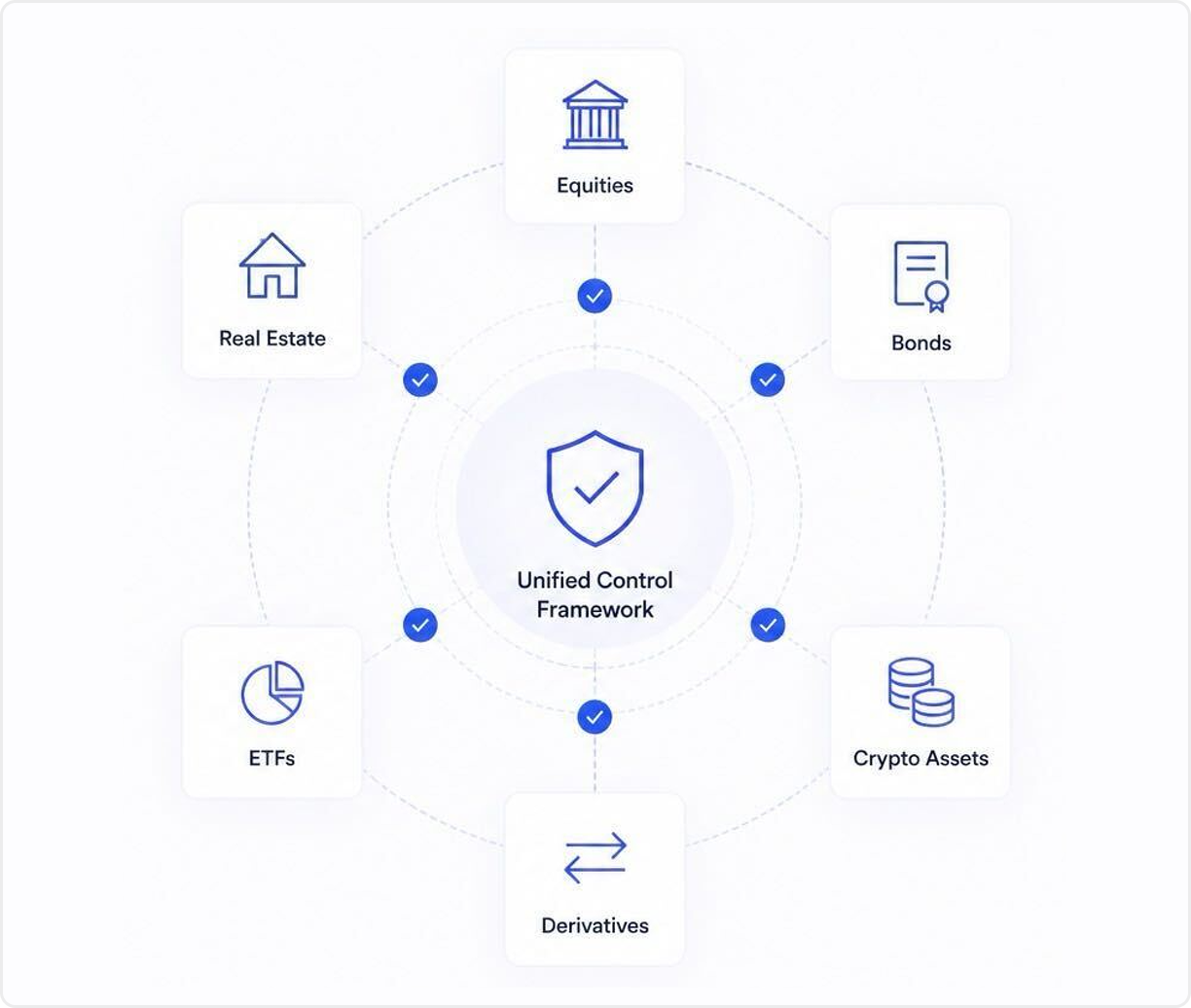
A Unified, Cross Asset Compliance Framework
Leading firms are shifting to a single control framework across all asset classes.
This enables:
-
Consistent preclearance and monitoring
-
Unified conflict detection
-
Better surveillance across asset types
-
Stronger audit and regulatory defensibility
It’s not about treating assets the same. It’s about applying the same control logic.
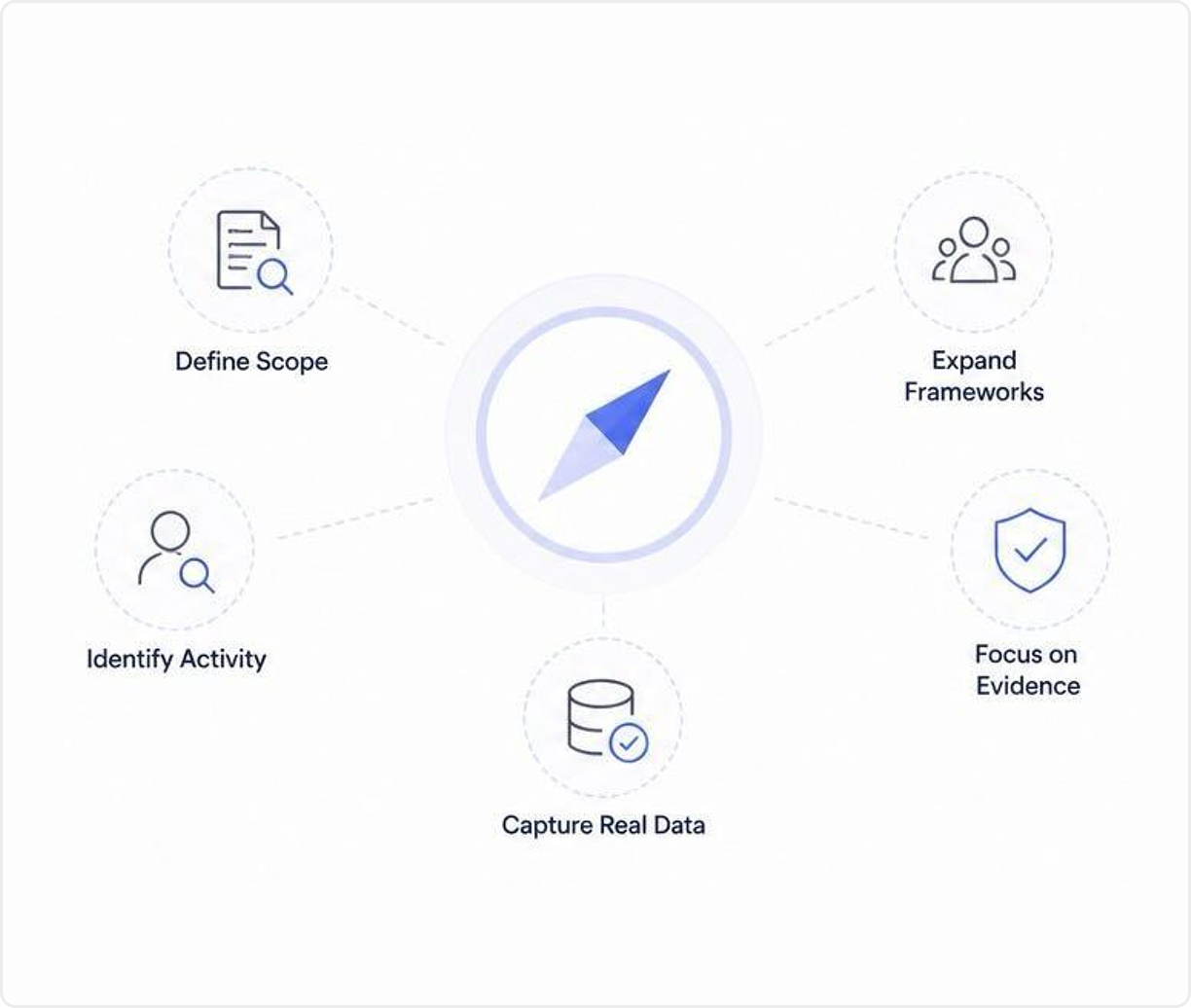
Where to Start
-
Clearly define which assets, wallets, and activities are in scope
-
Identify where employee activity actually occurs
-
Move beyond self-reporting to real data capture
-
Expand conflict frameworks to include crypto related roles
-
Focus on evidence, not just policies